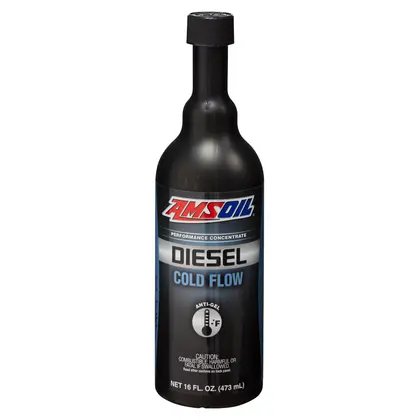
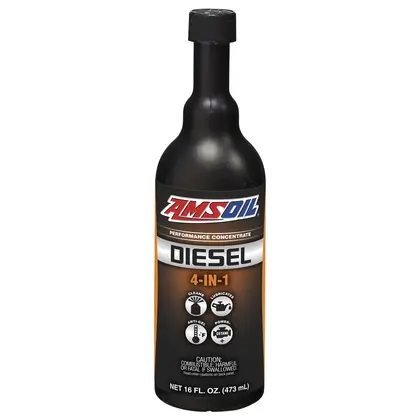
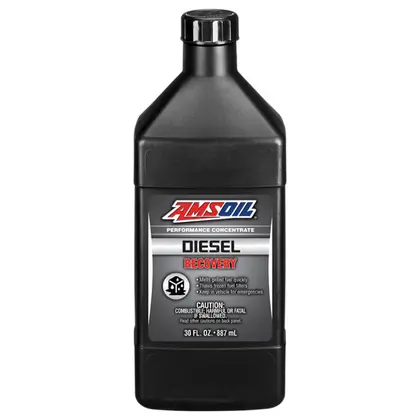
Typical diesel temperature ranges in °F and °C
| Fuel type | Cloud point (typical) | Filter plugging / CFPP (typical) | Pour point (typical) | Notes |
|---|---|---|---|---|
| Summer / untreated No. 2 | 6 to 14°F (about −14 to −10°C), CHS reference | Within a few degrees of cloud point for untreated fuel; vehicle filters can restrict sooner | Commonly 8 to 15°F (4.4 to 8.3°C) below cloud point; calculated envelope −9 to 6°F (about −23 to −14°C) | Calculated from CHS cloud points and Missouri’s typical gap, not a measured batch range. |
| Winter-blended No. 2 (No. 1 / No. 2) | Blend-specific. Illustrative 50/50 blend: approximately −9 to −1°F (−23 to −18°C) | Supplier- and additive-specific | Blend-specific; obtain the supplier’s result | Calculated using Cenex’s approximate 3°F (1.7°C) decrease per 10% No. 1. |
| No. 1 diesel, kerosene-type | May be −60 to −40°F (−51 to −40°C), NREL reference | No general absolute range published in the cited references | Supplier-specific | Lower-wax fuel; obtain separate CFPP and pour-point results. |
| Biodiesel blends, B5 / B20 | Depends on base diesel, feedstock and percentage | For untreated blends, about 3.5 to 5°F (2 to 3°C) below their measured cloud point | Blend-specific | Higher biodiesel content generally raises cloud point; the petroleum base and biodiesel feedstock affect the result. |
Table sources: CHS, Cenex, NREL and Missouri Department of Agriculture. Temperature differences in °C are distinct from absolute temperatures.
Clouding, filter plugging and loss of bulk flow
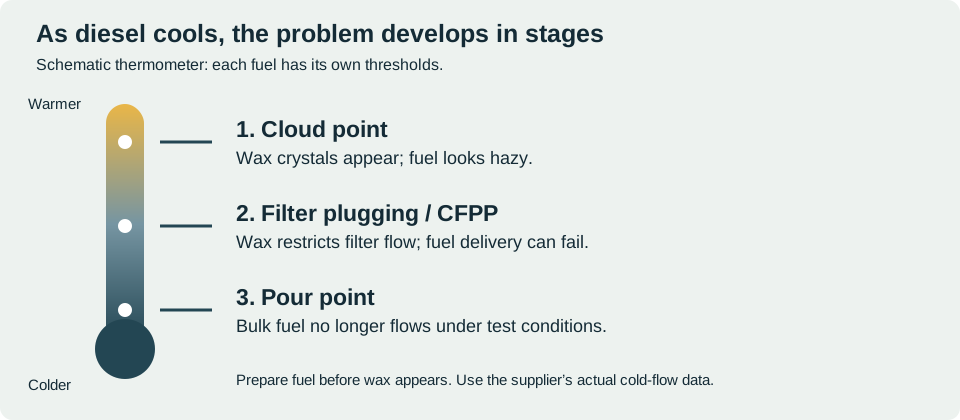
Cloud point: wax crystals first appear and fuel looks hazy. Fuel still pours, but the preventive application window may already have passed.
Cold filter plugging point: CFPP measures passage through a specified laboratory filter during cooling. Accumulating crystals restrict flow. Fuel-related no-starts and power loss can occur at this stage while the tank remains liquid; vehicle filtration and operating conditions affect the result.
Pour point: bulk fuel stops moving under test conditions, after the earlier filter problem can develop. Missouri reports the common 8 to 15°F gap below cloud point used in the table.
Why published diesel figures differ
CHS gives 6 to 14°F for No. 2; an earlier Cenex explanation uses approximately 14°F. AMSOIL describes many fuels clouding near 32°F (0°C). Those references cover different fuel populations and formulations. The table retains the specific No. 2 reference, with composition and processing accounting for the differences.
How winter blends work and when the switch happens
Blending lower-cloud-point No. 1 into No. 2 reduces the mixture’s wax-related cold limit; cold-flow additives can also improve filter performance. The table’s 50/50 calculation illustrates Cenex’s blending rule, not a mandated winter recipe. CHS says many of its customers plan seasonal blending by October and recommends preparing as overnight temperatures approach 32°F. Retail transitions follow local climate, supplier programs and tank turnover, so ask the station when its current fuel changed.
Pre-transition fuel can remain in a lightly used tank, and milder-region fuel may be poorly matched to a colder destination. Before traveling north, confirm the next fill’s blend and the overnight exposure after arrival.
Wind chill speeds cooling; overnight lows set the limit
NWS explains that wind speeds cooling of a warm object but cannot lower it below actual air temperature. Overnight parking lets fuel approach ambient temperature; a brief thaw may not warm the whole system. Use the air-temperature forecast and parking duration for fuel planning, and wind chill for people.
What AMSOIL reports for Cold Flow and 4-IN-1
AMSOIL’s official Cold Flow bulletin G3526, April 2024 and 4-IN-1 bulletin G3525, January 2026 each report CFPP reduction of up to 40°F (22°C) in ULSD. This manufacturer-reported figure describes a change in CFPP, measured separately from outdoor operating temperature. Both require application above cloud point and state that they will not reverse existing gel or wax crystals.
Prevent wax trouble before the tank cools
Choose Cold Flow for dedicated winter prevention or Diesel 4-IN-1 for its combined fuel-care functions. Add it before refueling while fuel remains above cloud point, using the package’s label rate. Record applications for shared vehicles. Compare the products by purpose before stocking supplies.
Already gelled? Move to the recovery procedure
For confirmed gelling, follow Diesel Recovery and the vehicle’s tank-and-filter instructions. Warming above cloud point can redissolve wax; both tank and filter need adequate recovery. Diagnose a cold no-start before fuel-system work, since electrical and mechanical faults also occur.
Temperature sources and publication dates
- CHS: Prepare diesel equipment for winter conditions, January 10, 2025.
- Cenex: Diesel gelling, November 20, 2018; blending guidance, November 11, 2016.
- NREL: Biodiesel Handling and Use Guide, sixth edition, September 2023, printed pages 23 to 24.
- Missouri Department of Agriculture: Fuel Quality Program, undated.
- NWS: Wind Chill Questions, undated.
All references checked October 16, 2026. The official AMSOIL bulletins are linked beside their claims above.
Read the package before measuring a dose
Use the current package label and manufacturer documents for treatment rates, handling and application details.
Independent dealer link. Current price and availability are shown by AMSOIL.
Diesel gelling questions drivers ask
Does diesel gel at 32°F?
There is no water-like freezing threshold at 32°F (0°C). CHS places No. 2 cloud point around 6 to 14°F (−14 to −10°C), while AMSOIL describes some fuel populations clouding near 32°F.
What temperature does No. 2 diesel gel?
Wax can begin appearing around 6 to 14°F (−14 to −10°C) in CHS’s No. 2 reference range. Untreated filter plugging can follow within a few degrees, before the bulk fuel reaches its pour point.
Does winter diesel still gel?
Yes, if it gets cold enough for the particular blend. No. 1 blending and additives improve cold performance, but the supplier’s cloud point and CFPP identify that batch’s limits.
Can gelled diesel thaw on its own?
Yes, sufficient warming above the fuel’s cloud point can redissolve wax. The tank and filter both need to recover; confirmed gelling may call for the Diesel Recovery procedure and filter service.
Related questions and products
- When to add diesel anti-gel
- How to know if diesel is gelled
- Does gelled diesel thaw?
- AMSOIL Diesel 4-IN-1 Fuel Additive
- AMSOIL Diesel Recovery Fuel Treatment
Prepared by SyntheticOilHQ, independent AMSOIL dealer 313120. Product information checked October 16, 2026. Consult the current manufacturer label for application details.