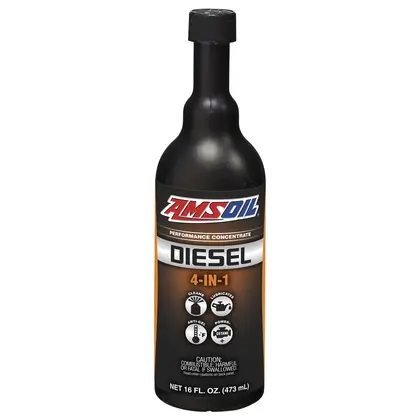
Diesel 4-IN-1
All-season treatment combining injector cleaning, lubricity, cold-flow improvement and cetane enhancement.
Explore ADB →Anchorage’s airport averages a January low of 11.0°F, and long outdoor parking during dark winter nights can leave poorly matched diesel vulnerable to wax restrictions. Trucks using the Glenn or Seward Highways need fuel prepared for the coldest remote stop, where recovery help may be farther away than it is in town.
A local fuel purchase and fuel carried into Alaska from a milder region deserve different questions. Ask the supplier what seasonal blend is in the tank and what conditions it is intended to handle. Include the longest parked interval, not just the temperature at departure. For a remote work trip, settle the fuel and service plan while you can still obtain suitable supplies, read the directions and contact someone who can help with an unexpected stop.
Anchorage entered January 2026 under a cold-weather advisory extending through noon on January 4. Alaska’s News Source reported a forecast as low as −25°F in Anchorage, while Southcentral communities expected overnight readings in the −20s and −30s. The cold spell continued to affect local routines: on January 8, the station reported Anchorage school bus delays caused by bitter cold, along with freezing fog following consecutive daily snowfall records. The temperatures above were forecasts issued during the episode. The operational disruptions showed how departure delays could extend exposure even before a vehicle left the Anchorage area.
Prepare suitable diesel above its cloud point before an Anchorage cold spell, especially when a delayed departure could leave the vehicle outdoors for another night.
Alaska’s News Source, January 2, 2026 ↗
Alaska’s News Source, January 8, 2026 ↗
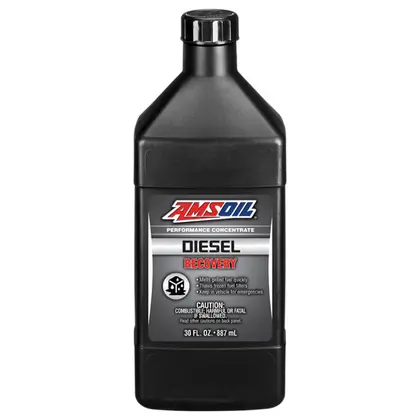
For fluid fuel ahead of the trip, Cold Flow addresses dedicated cold-flow prevention. Diesel 4-IN-1 combines preventive winter protection with other fuel-care functions. Apply the appropriate label dose before wax forms, recording gallons and the product used. For confirmed gelling after a stop, use the distinct Diesel Recovery directions, including its filter procedure. A preventive bottle is not a substitute for the service steps required by an already restricted system.
Check Alaska DOT&PF resources for the highway and the forecast at every extended stop. Arrange communications, assistance contacts and vehicle cold-start instructions before the trip. If a diesel will not start, check the cause: battery and starting-system problems need a different response from gelled fuel. Fuel treatment supports fuel readiness; safe routing, weather decisions and a suitable recovery location still require their own preparation.
Compare the preventive and recovery roles on our additive comparison page, then select the relevant product card below. Ordering, shipping options and fulfillment are handled by AMSOIL, which provides the available terms at checkout. No delivery time is promised here for Anchorage or a remote Alaska address. Keep needed winter supplies on hand before departure, and avoid relying on a new online order to solve a vehicle problem that requires immediate attention.
Figures checked October 16, 2026. January lows are climate averages, not fuel performance limits. Routes listed are winter planning corridors, not claims of closures during the featured event.
Published and reviewed by this independent AMSOIL dealership.
All-season treatment combining injector cleaning, lubricity, cold-flow improvement and cetane enhancement.
Explore ADB →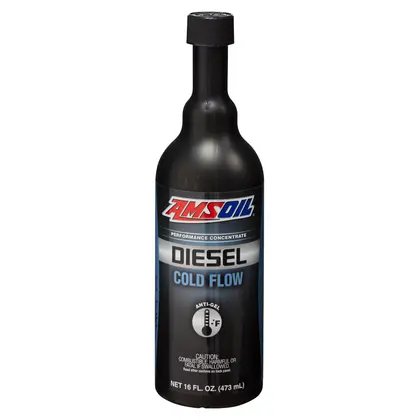
Ask the supplier about the fuel you are buying and its cold-weather properties. Review fuel brought from milder areas separately before remote travel.
AMSOIL handles ordering and shipping. Check its current availability and delivery information before planning supplies for an Alaska trip.