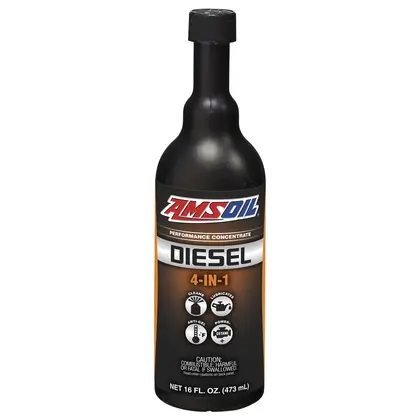
Diesel 4-IN-1
All-season treatment combining injector cleaning, lubricity, cold-flow improvement and cetane enhancement.
Explore ADB →Bangor’s average January low is 9.0°F, creating a real wax-restriction risk when diesel is poorly matched to a long outdoor parking period. Logging support, heating-oil deliveries and I-95 trips into rural Maine require fuel prepared for a cold stop beyond the city, where service and replacement supplies may take longer to reach.
For a logging-support pickup or a delivery truck, establish the longest time the vehicle could spend outside between jobs. Check the air temperature expected at that stop and ask the supplier about the blend in the tank. Carry-over fuel from milder weather deserves attention before a rural run. Heating-oil cargo and engine fuel are separate applications: use engine-fuel product directions for the truck and obtain appropriate supplier guidance for any other tank or stored product.
Diesel 4-IN-1 combines preventive cold-flow protection with other fuel-care functions; Cold Flow targets the winter flow task. Select the approved option and measure the actual gallons before refueling. Keep a record when drivers or equipment change, including the date, product and amount used. A morning departure should begin with the fuel decision already settled, especially when the route takes the truck far from its normal maintenance support.
An Arctic air mass brought sharp early-season cold to the Bangor region on December 4 and 5, 2025. Bangor Daily News reported wind chills of −12°F in Bangor, −20°F in Millinocket and −26°F in Greenville. WABI described morning air temperatures across Maine in the single digits and below zero, with gusts expected to reach 15 to 20 mph. The wind-chill readings concern human exposure, not actual fuel temperature. Together, the reports document cold across the communities reached by Bangor’s rural truck routes, with the outdoor working conditions becoming severe before the coldest part of the winter season.
Bangor diesel owners should treat appropriate liquid fuel before a cold arrival, so an early rural shift starts with prevention already mixed into the tank.
WABI, December 5, 2025 ↗
Bangor Daily News, December 5, 2025 ↗
For verified gelled fuel, read Diesel Recovery and the vehicle’s tank-and-filter service instructions. Confirm the diagnosis before choosing a remedy, because a weak battery or another starting fault requires a different response. Plan where warming or filter service could safely happen, and keep assistance contacts accessible. A bottle purchased after a remote breakdown cannot replace an available service plan or equipment needed to complete the recovery procedure.
MaineDOT’s current winter resources help with route planning, while the destination forecast helps with fuel exposure. Revisit both when a load or work location changes. Compare preventive and recovery treatments before selecting supplies through our dealer-linked product cards. Orders are fulfilled by AMSOIL under the options shown at checkout. No Bangor pickup inventory, immediate rural delivery or roadside repair service is offered through this information page.
Figures checked October 16, 2026. January lows are climate averages, not fuel performance limits. Routes listed are winter planning corridors, not claims of closures during the featured event.
Published and reviewed by this independent AMSOIL dealership.
All-season treatment combining injector cleaning, lubricity, cold-flow improvement and cetane enhancement.
Explore ADB →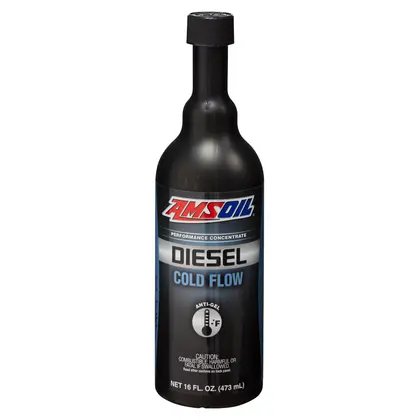
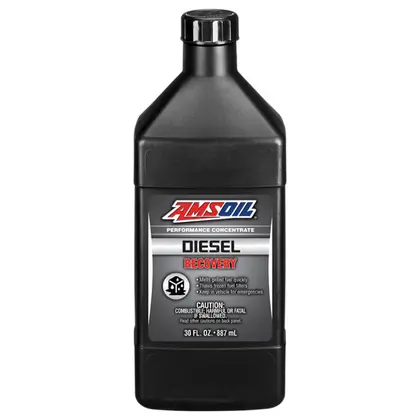
Use the incoming fuel amount and the product maintenance chart, adding the measured treatment before or during delivery. Record whether the fuel already in the tank was treated.
Select the product for the fuel and application named on its label. The calculator covers the six listed AMSOIL diesel treatments and their published charts, not every fuel-system application.