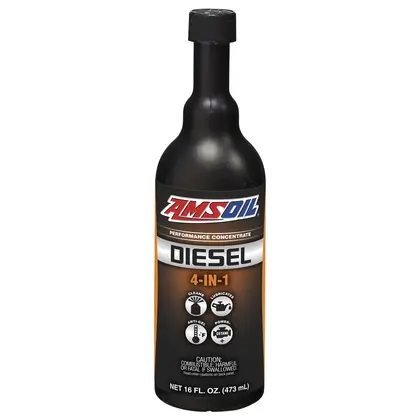
Diesel 4-IN-1
All-season treatment combining injector cleaning, lubricity, cold-flow improvement and cetane enhancement.
Explore ADB →Billings has a normal January low of 17.9°F, and its historical record shows the potential for much deeper cold. Ranch and oil-field trucks leaving town on I-90 or I-94 can sit at remote work locations overnight, where fuel preparation is easier to arrange before departure.
Imagine a Billings-based service truck finishing a repair at a rural property and remaining there until morning. This example illustrates a decision rather than describing a real customer. Fuel that worked during the drive has not yet been tested by the full overnight parking period. Ask where it was purchased, how it was winterized and whether an appropriate preventive dose is already present.
Where several trucks draw from one tank, put the treatment record at the dispensing point. Identify the product, incoming gallons and application date, and account for untreated fuel remaining before the delivery. Treatment before or during filling helps incoming fuel mix it. Keep the measurement separate from a seasonal inventory purchase, so a pail bought for several deliveries is not poured into one small tank.
Cold Flow supplies dedicated cold-flow treatment, while 4-IN-1 combines prevention with additional fuel-care functions. Cold Flow’s published packages include 16 fl oz bottles and 5-gallon pails; 4-IN-1 also lists larger options including drums. Consult the current AMSOIL listing for availability. Choose using the correct maintenance rate and fuel volume, with preventive treatment added above the fuel’s cloud point.
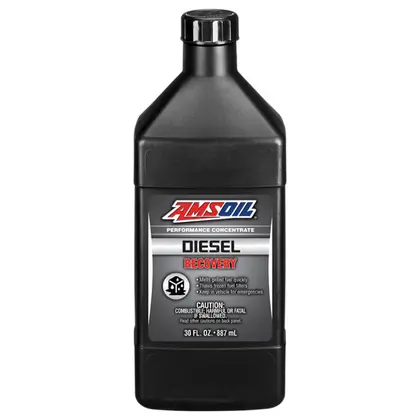
For an existing wax-related restriction, read Diesel Recovery’s emergency directions, including filter handling, before beginning work. A remote stop is a poor place to discover that the correct filter or service tools were left in town. Diagnose uncertain symptoms and coordinate assistance when necessary. Montana road reports remain part of the plan even if the truck restarts, because fuel treatment cannot resolve snow coverage or route closures.
Billings endured a lengthy cold-and-snow episode from February 2-19, 2025. The National Weather Service’s February 20 assessment counted 13 consecutive days with high temperatures below 17°F, the second-longest such stretch in the city’s record behind 1985. The airport fell to −19°F on February 19, according to the NWS annual weather review. That review also reported 18 inches of snow on the ground at the airport on February 18-19. The important feature was persistence: a long run of very cold afternoons accompanied by a deep snow cover, rather than an isolated overnight dip.
NWS Billings · February 20, 2025 cold-and-snow assessment ↗
Billings diesel operators should plan protection for the entire cold stretch and treat incoming fuel early, because repeated low daytime temperatures give parked tanks little opportunity to warm.
Sources checked October 16, 2026. Climate normals describe averages, not a fuel-temperature rating. Road lists identify winter-sensitive routes, not closures attributed to the example above.
Product directions: AMSOIL Cold Flow G3526, April 2024; 4-IN-1 G3525, January 2026; Recovery G2598, April 2024. Checked October 16, 2026.
Measure the dose for your tank or delivery · Compare preventive and emergency treatments
Reviewed October 16, 2026. Orders, package availability and shipping are handled by AMSOIL.
All-season treatment combining injector cleaning, lubricity, cold-flow improvement and cetane enhancement.
Explore ADB →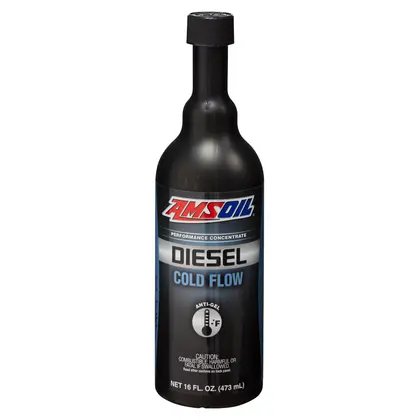
Calculate the incoming gallons with the selected product rate and add preventive treatment before or during delivery. Existing untreated fuel needs a separate allowance based on its volume.
Recovery is for fuel that has already gelled. Use Cold Flow or 4-IN-1 for preparation while diesel is still above its cloud point.