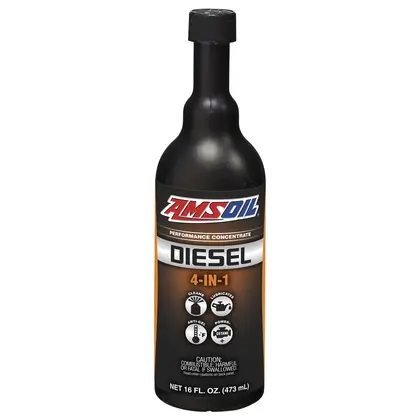
Diesel 4-IN-1
All-season treatment combining injector cleaning, lubricity, cold-flow improvement and cetane enhancement.
Explore ADB →Boise’s average January low is 25.5°F, but colder outbreaks and trips to mountain towns can push unsuitable diesel beyond its cold-flow limits. A truck parked in a valley inversion before joining I-84 or heading into higher terrain needs fuel selected for its overnight destination, not simply a mild afternoon in Boise.
Low visibility or an icy yard can delay a truck even when little snow falls. Build that waiting time into the fuel plan, especially when equipment stays outdoors between jobs. Check the expected air temperature at the destination and ask about the current fuel blend before the final fill. A clearer mountain forecast may still be colder than the foggy valley, so the absence of fog after a climb does not establish that the fuel is adequately protected.
A Boise contractor who routinely returns to a sheltered shop may need a different routine for a job that leaves a truck at a mountain site overnight. Diesel 4-IN-1 suits a combined preventive maintenance approach, while Cold Flow focuses on cold-flow protection. Review vehicle compatibility and the label’s application conditions, then measure the fuel volume. Decide before the parked period begins so the additive can mix into fuel that remains above its cloud point.
In January 2026, Boise’s disruption involved inversion fog and freezing surfaces instead of a major snowstorm. The Idaho Statesman reported on January 16 that subfreezing conditions and dense fog had created black ice on roads and sidewalks the previous night. Freezing here means the 32°F threshold, not a precise measured low. Visibility also suffered near the Flying Wye on I-84. Forecasters expected the pattern to continue through the weekend, particularly overnight and in the morning. Ada County deputies responded to a rollover near Franklin and McDermott roads while urging drivers to slow down and allow more following distance.
Boise diesel owners should finish preventive fuel preparation ahead of an outdoor overnight stop, before icy conditions and delays complicate the next morning’s departure.
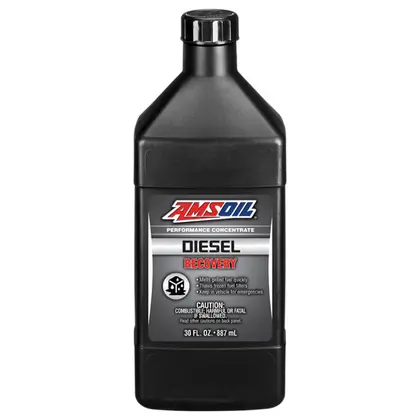
If a cold truck has lost fuel flow, first confirm what has failed. A no-start by itself does not identify gelling. For an established wax restriction, follow Diesel Recovery and the vehicle’s service procedure, including any necessary filter attention. Adding routine prevention after crystals have formed is a different action from the recovery process. Arrange hands-on service or a suitable warming location when the situation needs more than a tank treatment.
Use ITD’s current winter resources for the mountain portion and the I-84 connection. Check again when a job runs late or a route changes. Compare the winter products by purpose before stocking the truck, and retain directions where another driver can find them. The familiar cards lead to AMSOIL’s ordering process through this independent dealership, with current package availability and shipping options shown there; they do not represent Boise shelf stock or roadside delivery.
Figures checked October 16, 2026. January lows are climate averages, not fuel performance limits. Routes listed are winter planning corridors, not claims of closures during the featured event.
Published and reviewed by this independent AMSOIL dealership.
All-season treatment combining injector cleaning, lubricity, cold-flow improvement and cetane enhancement.
Explore ADB →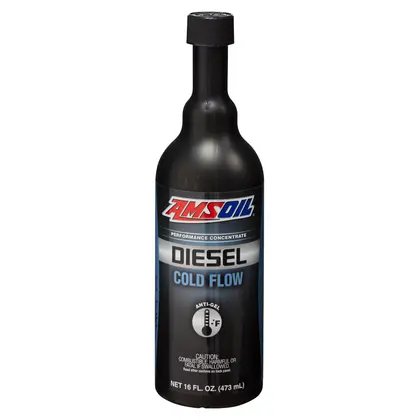
Plan for the coldest destination and overnight stop, then treat above the fuel cloud point. Fuel purchased in the valley should be assessed for the full trip.
No. Identify the cause before using an emergency additive; Recovery is the option here for confirmed gelled fuel and requires its filter-service directions.