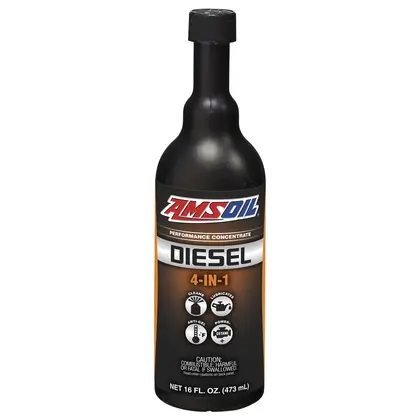
Diesel 4-IN-1
All-season treatment combining injector cleaning, lubricity, cold-flow improvement and cetane enhancement.
Explore ADB →Buffalo’s typical January low is 19.0°F, and lake-effect travel delays can leave a diesel parked much longer than planned. For I-90 freight and Southtowns deliveries, gelling prevention matters when unsuitable fuel cools during a closure or an overnight wait away from the vehicle’s usual yard.
A lake-effect storm from December 11 through 13, 2024 buried parts of Buffalo’s Southtowns and Boston Hills beneath about three feet of snow. NWS reported a Thruway closure and disruption to commerce. Spectrum News described the local consequences: Hamburg police received roughly 50 to 100 calls for stuck cars between 6 a.m. and 2 p.m. on December 12. Buffalo airport observations ranged from 18°F to 33°F that day, followed by a December 13 low of 15°F and high of 25°F. The airport readings describe the accompanying cold, while the heaviest snow and stranded vehicles were concentrated in the Southtowns.
Buffalo drivers should prepare suitable fuel before entering a lake-effect corridor, while it can still accept preventive treatment and circulate before an unexpected wait.
NWS Buffalo 2024-2025 winter season review, checked October 16, 2026 ↗
Spectrum News Buffalo, December 13, 2024 ↗
NWS Buffalo December 2024 observations, January 1, 2025; archived October 16, 2026 ↗
A short delivery south of Buffalo can become a much longer parked period when a narrow snow band interrupts the route. Review where the truck could safely wait and what air temperature is expected there after dark. Ask the fuel supplier about winter suitability before dispatch. Keep emergency contacts and a plan for the driver separate from the additive decision: treated fuel cannot create visibility, reopen the Thruway or free a vehicle trapped in snow.
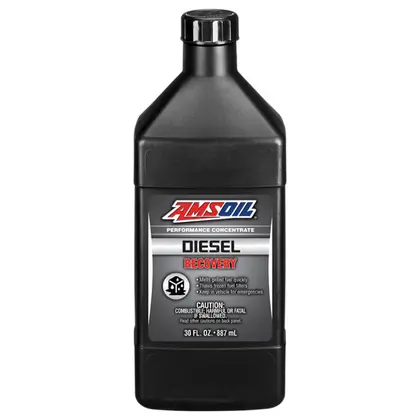
For normally flowing fuel, use Cold Flow as the dedicated anti-gel comparison or Diesel 4-IN-1 for a combined fuel-care routine. Apply prevention before the fuel reaches its cloud point, following the current dose chart. Keep Diesel Recovery identified as the product for an existing gelling problem. Its instructions address a different condition and can include tank and filter work that a routine preventive fill does not perform.
If the truck will not restart, establish whether fuel restriction, electrical condition or another fault is responsible. A snowstorm does not prove that diesel has gelled. Where gelling is confirmed, use the recovery procedure and appropriate vehicle service guidance, with help from a technician when needed. Record the fuel source and treatment history so the person handling the vehicle can make an informed decision instead of repeatedly adding bottles to an unidentified problem.
Consult the Thruway Authority’s current advisories for I-90 and the connections your itinerary actually uses. A change in route may also change the coldest destination or parking duration. Use the product comparison before ordering winter supplies through the cards below. AMSOIL handles fulfillment and displays current packages and shipping at checkout. This regional guide offers planning information, without claiming a Buffalo store, emergency tow service or immediate delivery to a stranded truck.
Figures checked October 16, 2026. January lows are climate averages, not fuel performance limits. Routes listed are winter planning corridors, not claims of closures during the featured event.
Published and reviewed by this independent AMSOIL dealership.
All-season treatment combining injector cleaning, lubricity, cold-flow improvement and cetane enhancement.
Explore ADB →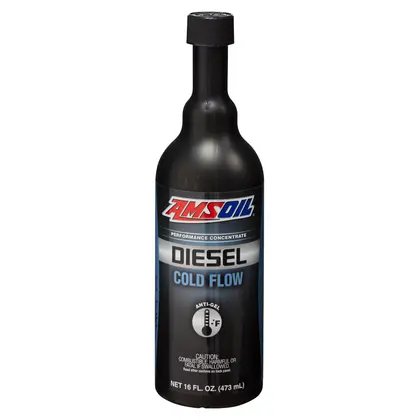
Fuel treatment serves a different purpose from road and travel advisories. Prepare the fuel before it clouds and check official road conditions before setting out.
Read the five emergency steps and the vehicle filter-service instructions. Recovery includes filter treatment as well as a tank dose; a new filter can restore full power faster.