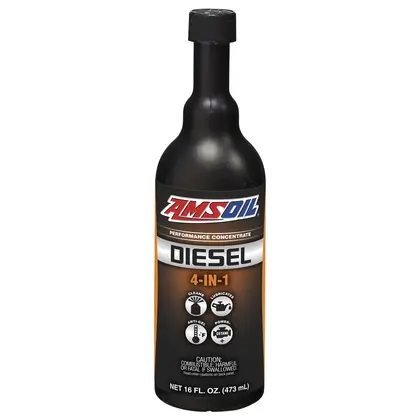
Diesel 4-IN-1
All-season treatment combining injector cleaning, lubricity, cold-flow improvement and cetane enhancement.
Explore ADB →Burlington’s typical January low is 12.9°F, and Champlain Valley farm equipment or pickups can sit outdoors long enough for unsuitable diesel to develop wax restrictions. I-89 travel and rural stops off US 2 or US 7 make the coldest parked interval a practical part of the fuel plan.
For a farm loader or pickup needed after a storm, prepare the engine-fuel tank before the equipment is parked. Record the last fuel delivery and ask about the blend’s winter suitability, particularly when fuel has remained in storage from warmer work. Measure each machine’s gallons independently. A small pickup tank and a larger equipment tank should not receive doses based on the same visual estimate, and any bulk-storage application needs its own approved instructions.
A February 2025 winter storm left Burlington International Airport with 11.6 inches of snow over February 15 and 16. By the following morning, snow on the ground measured 19 inches, the airport’s deepest cover since March 2017. NWS documented difficult cleanup conditions as strong winds followed the snowfall. Across valley locations on February 17, air temperatures stayed in the single digits and low teens, while wind chills ranged from −5°F to −15°F. Those wind chills described outdoor exposure. The combined snow cover and post-storm cold kept equipment working in demanding conditions after the heaviest snow had ended.
Burlington farm pickups and loaders should receive preventive treatment before an extended storm cleanup, while their fuel remains warm enough for the additive to mix as directed.
For flowing fuel ahead of exposure, compare Cold Flow for dedicated prevention with Diesel 4-IN-1 for a combined maintenance routine. Use the temperature-specific label directions and the equipment manufacturer’s guidance. Keep instructions with the supplies so a second operator can follow the same plan. The choice should reflect the fuel, the machine and its expected parked period, not simply the coldest temperature printed in a product advertisement.
After a cold parked period, confirm the reason for a no-start or power loss. Where wax has already restricted the fuel system, review Diesel Recovery and the separate tank-and-filter procedure. Arrange safe warming or qualified service where necessary. More routine preventive additive does not perform the same job on a system that has already gelled. Keep records available so the person handling recovery knows which blend and treatments were previously used.
New England 511 provides current state road information for I-89 and connecting routes; review the actual destination forecast as well. Fuel preparation and a passable road answer different operational questions. Our comparison page explains the product roles before ordering through the cards below. AMSOIL supplies current package and shipping details at checkout. This regional guide does not imply a Burlington stockroom, same-day farm delivery or a local equipment-service dispatch operation.
Figures checked October 16, 2026. January lows are climate averages, not fuel performance limits. Routes listed are winter planning corridors, not claims of closures during the featured event.
Published and reviewed by this independent AMSOIL dealership.
All-season treatment combining injector cleaning, lubricity, cold-flow improvement and cetane enhancement.
Explore ADB →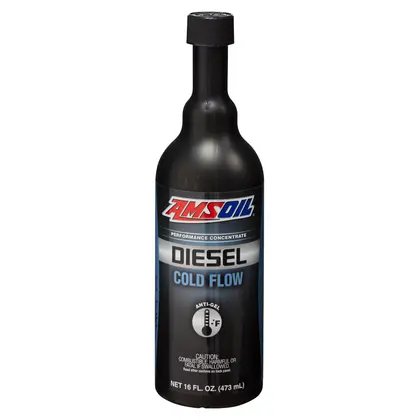
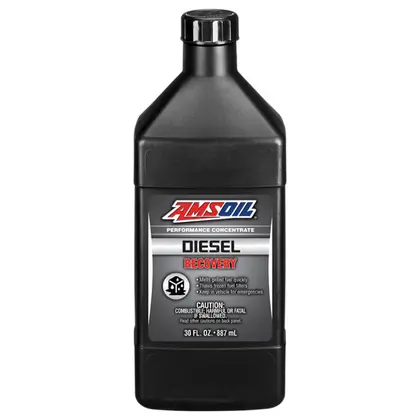
Treat during fueling while diesel remains above its cloud point, before the planned cold parking period. Keep the package directions with the fueling record.
No. Its cold-flow role is preventive; already-gelled diesel calls for the separate Recovery procedure and attention to the fuel filter.