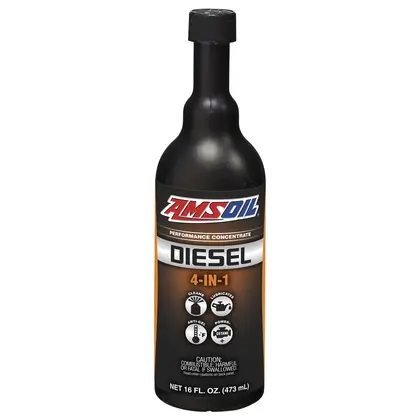
Diesel 4-IN-1
All-season treatment combining injector cleaning, lubricity, cold-flow improvement and cetane enhancement.
Explore ADB →Cheyenne’s published January normal low is about 18°F in the cited climate period, with severe cold well below that average. A diesel waiting outdoors near I-80 or I-25 may remain parked longer than planned when wind and winter travel restrictions interrupt the schedule.
Consider a delivery truck that reaches Cheyenne expecting to continue west, then waits while road status changes. This is a realistic planning scenario, not a documented customer incident. The important fuel question is how the tank will perform through the actual parking period. A short daytime stop and an overnight delay create different preparation needs, even when both started with the same departure forecast.
Wind chill describes the hazard to people, not an extra subtraction from tank temperature. Cold air and time spent outdoors still matter for fuel. Use WYDOT’s current road guidance to decide whether travel is available, and the overnight air forecast to plan fuel preparation. Do not interpret a running engine as permission to ignore a closure or restriction.
Use Cold Flow when dedicated cold-flow improvement is the goal, or compare 4-IN-1 for a combined fuel-care routine. Both are preventive choices for fuel above its cloud point. Ask the supplier what winter blend is being dispensed and measure the actual top-up volume. A fleet log should identify the additive already used so another driver can avoid duplicating treatment during a delay.
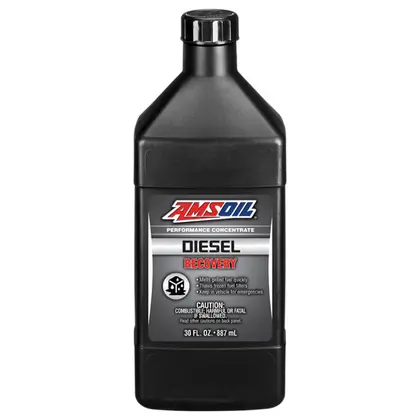
Diesel Recovery addresses an existing gelling problem using the manufacturer’s tank-and-filter procedure. It does not supply a routine winter-prevention rate. Review the filter access and service requirements before relying on supplies carried in the cab. If fuel flow has stopped, establish the cause and arrange suitable assistance; then reconsider the trip timing independently of any successful restart. The safest place to wait may be determined by road conditions rather than engine readiness.
Cheyenne entered January 20, 2025, under an extreme-cold warning, followed by a cold-weather advisory extending into January 21. Cowboy State Daily’s January 19 forecast called for a Monday high near 0°F, a nighttime low around −3°F, and gusts up to 35 mph. The subsequent National Weather Service annual summary lists −12°F on January 20 as Cheyenne Airport’s lowest temperature of 2025. The forecast and the measured minimum are different figures, but together they show both the warning residents received and the severity that was ultimately recorded at the airport during this January outbreak.
Cowboy State Daily · January 19, 2025 ↗
Before a Cheyenne cold wave, diesel owners should dose and circulate preventive anti-gel according to its label while fuel remains fluid, rather than first reaching for it after a subzero parking period.
Sources checked October 16, 2026. Climate normals describe averages, not a fuel-temperature rating. Road lists identify winter-sensitive routes, not closures attributed to the example above.
Product directions: AMSOIL Cold Flow G3526, April 2024; 4-IN-1 G3525, January 2026; Recovery G2598, April 2024. Checked October 16, 2026.
Measure the dose for your tank or delivery · Compare preventive and emergency treatments
Reviewed October 16, 2026. Orders, package availability and shipping are handled by AMSOIL.
All-season treatment combining injector cleaning, lubricity, cold-flow improvement and cetane enhancement.
Explore ADB →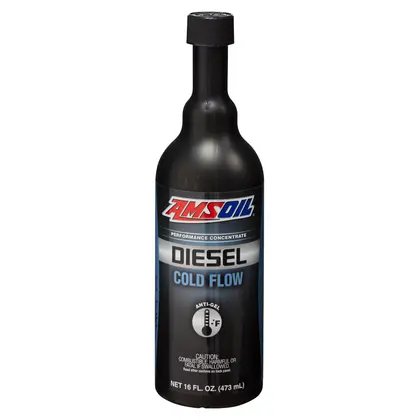
A closure is a travel condition, not a treatment rate. Use the published product chart for fuel volume, and plan for the actual cold and potential extended parking.
Review Diesel Recovery and the vehicle filter-service instructions ahead of time. The emergency procedure includes removing and filling the filter, with a new filter restoring power faster.