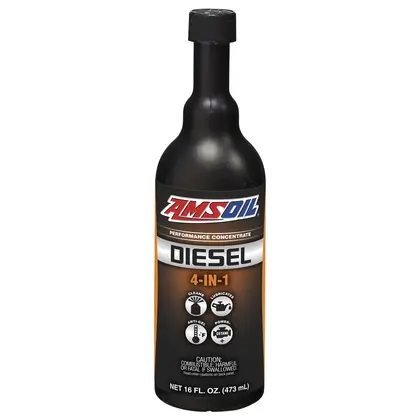
Diesel 4-IN-1
All-season treatment combining injector cleaning, lubricity, cold-flow improvement and cetane enhancement.
Explore ADB →Chicago’s normal January low is 18.8°F at O’Hare, with subzero spells that can leave outdoor fuel systems cold for extended periods. A truck parked in a freight yard before an I-90, I-94 or I-80 dispatch needs winter fuel preparation before its departure slot arrives.
Picture a tractor staged outdoors while a trailer waits for loading. The scenario is illustrative, not a report about a carrier. An afternoon arrival can become a next-morning dispatch, extending the time the fuel sits in cold air. Confirm the tank’s blend and treatment history when the vehicle enters the yard, so the outgoing driver has a clear record instead of guessing at what the previous shift added.
Snow, traffic restrictions and loading delays can all change parking time. Monitor Illinois road conditions and neighboring-state information for the actual route. Wind chill indicates exposure risk to people; it is not the temperature to insert into a fuel specification. The air temperature, the duration of the stop and the characteristics of the fuel are the useful preparation inputs.
For prevention, compare Cold Flow’s dedicated purpose with the combined functions of 4-IN-1. Both should be mixed into fuel above its cloud point. A yard delivery and an individual truck top-up need separate volume records if stored fuel has not already been treated. Use the calculator’s package choices to plan inventory, then measure the actual dose instead of emptying a large container merely because it was purchased for the yard.
If a vehicle already has a suspected gelling-related restriction, read Diesel Recovery’s official emergency procedure. The instructions address both the fuel tank and filter, so emergency inventory needs an accompanying service plan. Identify the cause of a no-start and involve qualified help when necessary. Once flow is restored, confirm that the vehicle and the route are ready before sending the load back into cold conditions.
Chicago’s January 19-24, 2025 cold spell brought bitter conditions even without a substantial blanket of snow. The National Weather Service’s event review lists an O’Hare low of −8°F on January 21 and a high of just 2°F that day. Across northern Illinois and northwest Indiana, the coldest wind chills generally ranged from −25°F to −35°F. Regional wind chills remained below zero from late January 18 until around midday January 22. NWS highlighted the limited snow cover as an unusual feature: this was a significant outbreak of cold without the deep snowpack often associated with such temperatures.
NWS Chicago · January 19-24, 2025 cold-spell review ↗
A Chicago diesel that stays outdoors through consecutive cold days should have preventive fuel protection in place beforehand, even when bare pavement makes the weather look less wintry.
Sources checked October 16, 2026. Climate normals describe averages, not a fuel-temperature rating. Road lists identify winter-sensitive routes, not closures attributed to the example above.
Product directions: AMSOIL Cold Flow G3526, April 2024; 4-IN-1 G3525, January 2026; Recovery G2598, April 2024. Checked October 16, 2026.
Measure the dose for your tank or delivery · Compare preventive and emergency treatments
Reviewed October 16, 2026. Orders, package availability and shipping are handled by AMSOIL.
All-season treatment combining injector cleaning, lubricity, cold-flow improvement and cetane enhancement.
Explore ADB →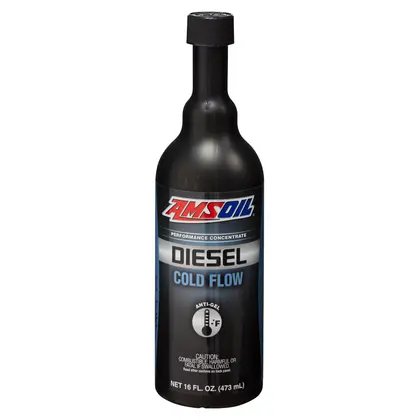
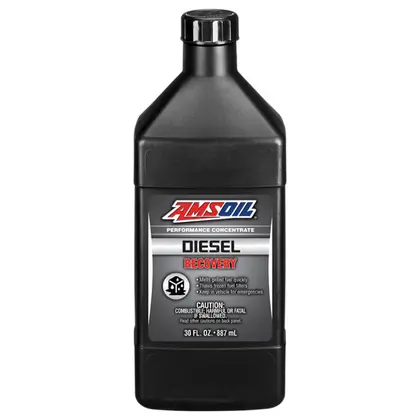
Apply the preventive dose before fuel clouds, during a planned fueling opportunity. Waiting for a parked truck to lose fuel flow changes the task to diagnosing and recovering from a restriction.
Diesel Cetane Boost is not cold-flow prevention. Compare Cold Flow and 4-IN-1 when preparing fuel for winter conditions.