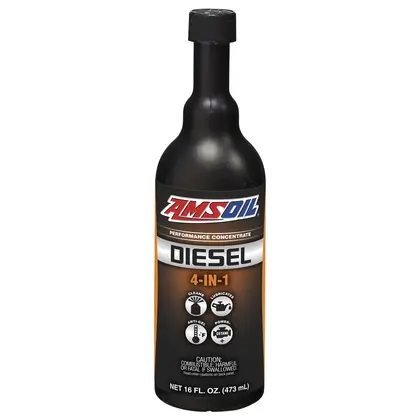
Diesel 4-IN-1
All-season treatment combining injector cleaning, lubricity, cold-flow improvement and cetane enhancement.
Explore ADB →Colorado Springs has a normal January low of 18.5°F, while its recent climate record includes much colder nights. Diesels left in open parking areas before an I-25 trip across Monument Hill can spend hours cooling before startup, making fuel preparation a practical part of the departure plan.
Imagine a service pickup assigned to a job north of Colorado Springs. The owner fills up near home, drives across the Palmer Divide and leaves the truck at an exposed site for an early start. That hypothetical schedule puts the overnight location ahead of the home thermometer when choosing a winter fuel routine. Check the forecast where the vehicle will remain, not just the conditions during the afternoon drive.
The documented January 2025 example below includes a large same-day temperature recovery. That afternoon warmth does not describe the hours before a morning appointment. Decide which tank needs treatment before the cold arrival, and confirm what seasonal fuel the station supplies. Keep the fuel receipt and the additive chart together if more than one driver uses the truck.
Cold Flow fits dedicated anti-gel preparation; 4-IN-1 is the combined cold-flow, cleaning, lubricity and cetane option. Follow the selected bulletin and measure for actual fuel volume. These products belong in fuel above its cloud point. Using a cleaning or cetane-only additive does not supply the cold-flow function, even when the package looks similar to the winter products.
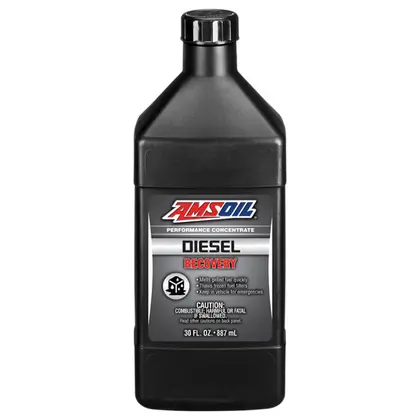
A truck that has already lost fuel flow needs a different decision from a truck being prepared for tomorrow. Read Diesel Recovery’s emergency tank-and-filter steps and check the vehicle’s service instructions before attempting work. If the cause of a no-start is uncertain, seek diagnosis instead of repeatedly adding treatment. Plan who can help on the northbound route, and keep road-closure decisions separate from whether the engine can run.
An Arctic air mass settled over southern Colorado from January 17-21, 2025, bringing Colorado Springs a sharp spell of subzero weather. The National Weather Service’s monthly review documents a −14°F morning on January 21, followed by an afternoon recovery to 47°F. That 61-degree swing illustrates how quickly local conditions can change within a single day. Across the whole month, the city averaged 24.5°F, or 7.2 degrees below normal, tying January 2007 as its tenth-coldest January. The month also delivered 10.4 inches of snow, adding another winter travel concern alongside the cold.
NWS Pueblo · January 2025 review / February 2025 preview ↗
For a diesel parked through a night like that, treating warm, ungelled fuel in advance is more useful than waiting for the afternoon thaw to restore fuel flow.
Sources checked October 16, 2026. Climate normals describe averages, not a fuel-temperature rating. Road lists identify winter-sensitive routes, not closures attributed to the example above.
Product directions: AMSOIL Cold Flow G3526, April 2024; 4-IN-1 G3525, January 2026; Recovery G2598, April 2024. Checked October 16, 2026.
Measure the dose for your tank or delivery · Compare preventive and emergency treatments
Reviewed October 16, 2026. Orders, package availability and shipping are handled by AMSOIL.
All-season treatment combining injector cleaning, lubricity, cold-flow improvement and cetane enhancement.
Explore ADB →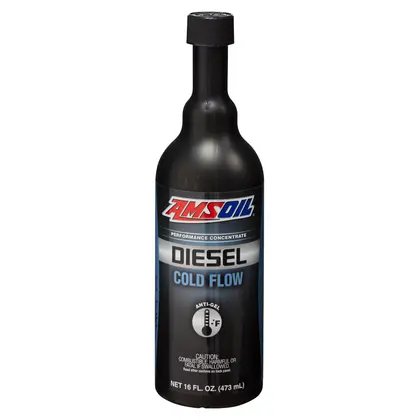
Treat liquid fuel before it cools to its cloud point. Adding the preventive dose before refueling helps mix it into the incoming diesel.
Diesel Recovery is the emergency option in this lineup. Follow its tank-and-filter procedure after identifying gelling as the cause of the restriction.