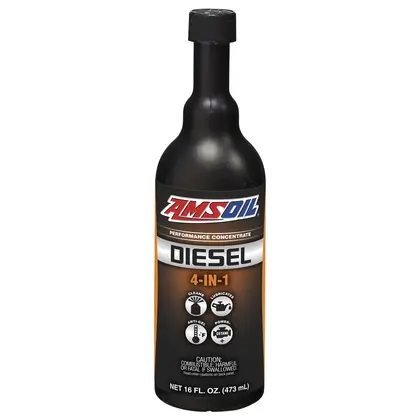
Diesel 4-IN-1
All-season treatment combining injector cleaning, lubricity, cold-flow improvement and cetane enhancement.
Explore ADB →Denver’s normal January low is 18.7°F at the airport, cold enough to make an untreated diesel’s overnight fuel condition worth checking. A truck parked outside before an I-70 mountain departure can face a colder destination than the city forecast suggests, so choose prevention while the fuel is still warm.
I've lived and worked in Denver, so these winters aren't theory for me.
Consider a contractor loading tools in Denver for a mountain job the next morning. This is a planning example, not a reported breakdown: the pickup runs normally in afternoon traffic, then sits outside at the destination until dawn. The useful treatment decision happens before that parking period. Ask the supplier about the fuel already aboard and review the overnight forecast for the job location, including the return journey.
A prepared fuel system cannot reopen a closed pass. Check CDOT conditions for the Eisenhower-Johnson tunnels, Vail Pass and connecting roads, and allow for a delay that extends the parking time. Keep a record of where the last fuel was purchased. A tank filled in a milder region deserves attention even when the engine has been running well during the approach.
For a normal-running truck ahead of colder weather, Diesel Cold Flow offers dedicated cold-flow treatment and Diesel 4-IN-1 combines that function with other fuel-care benefits. Add either above the fuel’s cloud point using its own label chart. A 40-gallon fill calls for 8 fl oz of Cold Flow or 16 fl oz of 4-IN-1 at maintenance rate; the linked bulletins establish those amounts.
If fuel has already gelled, an additional preventive dose is not the recovery procedure. Consult Diesel Recovery and its tank-and-filter directions, and arrange qualified help if filter service is beyond your equipment or experience. Carrying the instructions with the supplies makes the response clearer when a cold truck is far from the Denver shop. A no-start still requires diagnosis, including the battery and other possible causes.
In February 2025, another Arctic air mass reached Denver from the evening of February 17 through the morning of February 19. The National Weather Service Boulder monthly review describes daytime temperatures struggling beyond the single digits and subzero nights during the cold spells that month. Denver International Airport fell to −7°F on February 19, setting a record low for that calendar date; the previous mark was −4°F in 2006. This was a separate episode from the January outbreak. It shows how a second round of severe cold can arrive after an earlier winter preparation effort.
NWS Boulder · February 2025 monthly weather summary ↗
Diesel owners should add an appropriate preventive treatment while fuel is still above its cloud point, before an Arctic arrival leaves parked equipment cold-soaked overnight.
Sources checked October 16, 2026. Climate normals describe averages, not a fuel-temperature rating. Road lists identify winter-sensitive routes, not closures attributed to the example above.
Product directions: AMSOIL Cold Flow G3526, April 2024; 4-IN-1 G3525, January 2026; Recovery G2598, April 2024. Checked October 16, 2026.
Measure the dose for your tank or delivery · Compare preventive and emergency treatments
Reviewed October 16, 2026. Orders, package availability and shipping are handled by AMSOIL.
All-season treatment combining injector cleaning, lubricity, cold-flow improvement and cetane enhancement.
Explore ADB →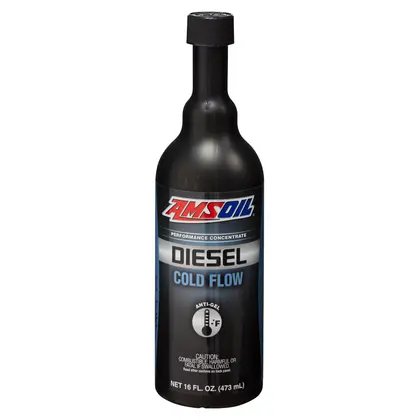
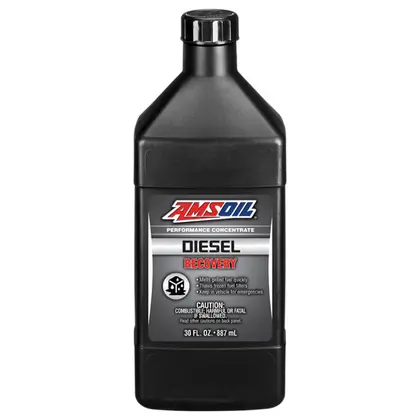
Add Cold Flow or 4-IN-1 while fuel is still above its cloud point, before the trip into colder conditions. Plan for the coldest part of the route, including overnight parking.
Injector Clean does not provide anti-gel protection. Choose a product whose label includes cold-flow prevention and use its published dose.