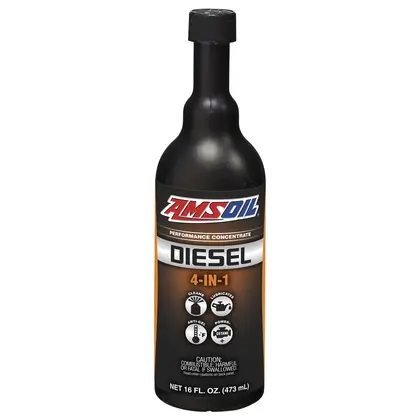
Diesel 4-IN-1
All-season treatment combining injector cleaning, lubricity, cold-flow improvement and cetane enhancement.
Explore ADB →Detroit’s average January low is 19.2°F, and parts trucks or freight tractors left outdoors face diesel gelling risk when their fuel is poorly matched to colder Arctic reversals. Routes using I-75, I-94, I-96 and I-275 make the parking interval between shifts as important to fuel preparation as the distance driven.
For a parts-delivery operation, the next driver should know the fuel source, fill date and additive already used. A vehicle that ran normally during the afternoon can spend the following night cooling in a yard before an early loading slot. Include outdoor waiting and parked trailers or support equipment in the assessment. Those details determine when to prepare; a tight delivery appointment does not leave much room to discover restricted fuel flow at departure.
A sharp January 2026 reversal left Detroit Metro Airport with a low of −10°F and a high of just 7°F on January 24. WDIV’s month-end review contrasted that day with January 9, when the airport had reached a record 60°F. Snow also complicated the season: 17.1 inches had accumulated during January through the 29th. These airport figures describe measured air temperatures rather than wind chill. For businesses moving parts, freight or service equipment around Detroit, the episode shows why a mild spell cannot be taken as evidence that winter fuel preparation is finished.
Detroit operators should prepare suitable fuel before the next abrupt freeze, giving preventive treatment time to mix before the vehicle sits through a subzero shift change.
Diesel 4-IN-1 is worth comparing when a fleet wants a combined fuel-care routine with winter prevention. Cold Flow suits the dedicated cold-flow task. Neither should be selected on the assumption that an advertised laboratory improvement guarantees every truck’s starting temperature. Ask about the seasonal fuel blend, use the relevant dosing instructions and account for the coldest planned stop. Injector cleaning or cetane improvement alone does not establish anti-gel protection.
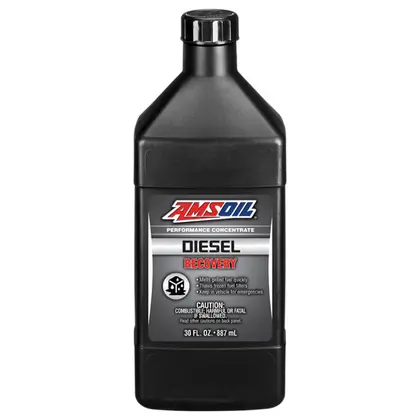
If cold-weather power loss or a no-start interrupts a run, identify the cause before changing products. For confirmed gelled fuel, consult Diesel Recovery and the manufacturer’s separate tank-and-filter directions. Make sure the person handling service has vehicle instructions and the right supplies. Preventive dosing belongs to the preparation stage; restarting a truck with an already restricted filter is a different task that may require hands-on service or a warmer location.
MDOT winter information can help assess the interstate route even when the first delivery is only a few miles away. Recheck conditions if the schedule or destination changes, and do not confuse fuel readiness with road clearance. Use our comparison page to document the chosen product’s purpose. The ordering cards below use direct AMSOIL dealer links, with shipping and package availability at checkout; this page does not offer a Detroit warehouse or emergency delivery van.
Figures checked October 16, 2026. January lows are climate averages, not fuel performance limits. Routes listed are winter planning corridors, not claims of closures during the featured event.
Published and reviewed by this independent AMSOIL dealership.
All-season treatment combining injector cleaning, lubricity, cold-flow improvement and cetane enhancement.
Explore ADB →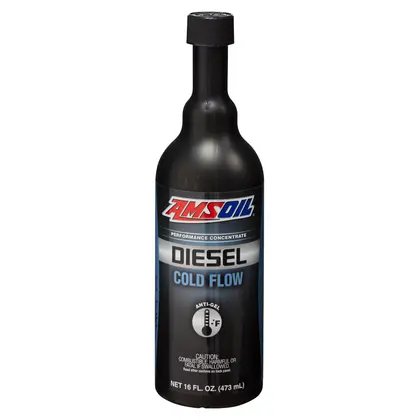
Enter the per-truck fuel amount and number of vehicles in the calculator. Confirm each truck receives the dose for its own fuel volume; the fleet result is the total supply needed.
It is an emergency product for already-gelled fuel. For advance winter preparation, compare Cold Flow with the combined benefits of 4-IN-1.