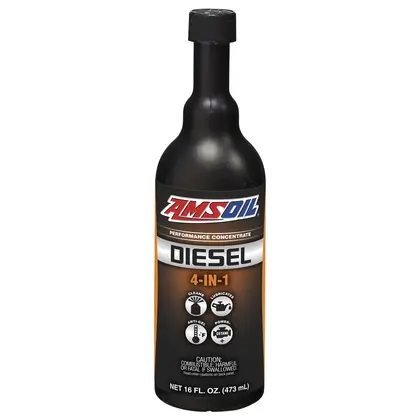
Diesel 4-IN-1
All-season treatment combining injector cleaning, lubricity, cold-flow improvement and cetane enhancement.
Explore ADB →Fargo’s typical January low is just 0.2°F, so diesel left outdoors overnight faces a real gelling risk if its winter blend and cold-flow protection are inadequate. Farm trucks, equipment and freight moving between I-29 and I-94 need fuel chosen for the coldest stop, especially when the truck will sit longer than it runs.
A pickup that returns to a heated building and a grain truck sitting beside a field do not have the same exposure. Write down which tank is being filled, the gallons added and where that vehicle will remain overnight. For fuel carried over from a warmer season, ask the supplier about its winter suitability before relying on an additive. Storage tanks and equipment also need application-specific guidance; a pickup dose should not become a guess for the whole operation.
February 2025 brought Fargo a stretch of cold that offered little daytime relief. NWS observations at Hector International Airport show lows of −22°F on February 11 and 12, followed by −23°F on February 13. The corresponding highs were −4°F, −2°F and 2°F. Five inches of snow remained on the ground during those three days. Another burst produced lows of −21°F on February 17 and 18. Even on February 20, the airport reached only 10°F after a minimum of −12°F, demonstrating how long parked equipment could remain exposed to severe cold.
Fargo diesel owners should mix an appropriate preventive treatment into suitable, still-fluid fuel before a prolonged freeze cold-soaks farm trucks and freight equipment.
For a diesel that is operating normally, AMSOIL Diesel Cold Flow is the dedicated winter-prevention option. Diesel 4-IN-1 fits an owner who also wants its combined cleaning, lubricity and cetane functions. Both decisions belong before gelling. Use the current temperature-specific label directions, confirm vehicle compatibility and measure the actual fuel volume rather than treating every Fargo tank alike.
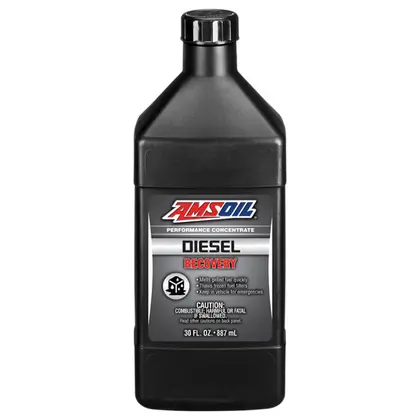
If a truck loses fuel delivery after sitting outside, stop treating the situation as a routine preventive fill. A cold no-start may involve the battery, starting system or other faults, so confirm the cause. For fuel that has already gelled, review Diesel Recovery and its tank-and-filter procedure. Do not assume pouring a preventive additive into cold, restricted fuel will restore operation. Arrange qualified help when filter service or warming is needed.
Before dispatch, check NDDOT’s current road information as well as the overnight forecast at the delivery or farm stop. Fuel preparation cannot make a closed or unsafe route passable. Keep readable product directions with winter supplies, and use the additive comparison to separate routine protection from emergency equipment. The cards below lead to manufacturer ordering through this independent dealership; delivery timing is shown at checkout, so stock supplies before a remote breakdown.
Figures checked October 16, 2026. January lows are climate averages, not fuel performance limits. Routes listed are winter planning corridors, not claims of closures during the featured event.
Published and reviewed by this independent AMSOIL dealership.
All-season treatment combining injector cleaning, lubricity, cold-flow improvement and cetane enhancement.
Explore ADB →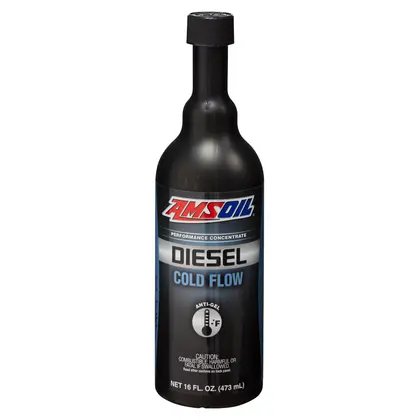
Use the actual delivery volume to calculate Cold Flow or 4-IN-1, then add treatment before or during filling. Keep a separate record of whether the existing tank contents were treated.
Follow Diesel Recovery emergency directions, including the fuel-filter procedure. Verify the cause first because fuel restrictions can require more than a preventive additive.