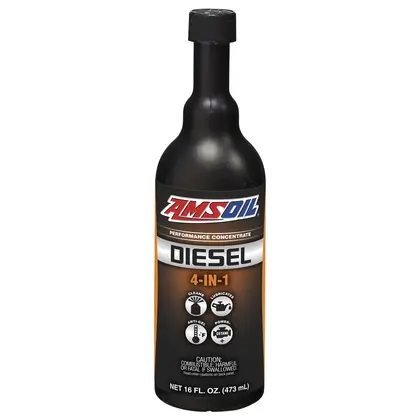
Diesel 4-IN-1
All-season treatment combining injector cleaning, lubricity, cold-flow improvement and cetane enhancement.
Explore ADB →Milwaukee’s January low averages 17.2°F, and unsuitable diesel can develop gelling problems during long outdoor parking periods beside Lake Michigan. Lakefront work, exposed loading areas and freight trips on I-94, I-43 and I-41 require a plan for colder inland stops rather than an assumption that lake proximity will protect the fuel.
Milwaukee woke to an air temperature of −8°F on February 18, 2025, according to CBS 58. Wind increased outdoor exposure risk, with a reported wind chill of −28°F. The cold was part of a February that had offered little relief: through that morning, only one day had topped 40°F. The station calculated an average temperature of 23.4°F for the month to that point, the coldest comparable stretch since 2021. Although the morning did not set a record, it demonstrated that substantial operational cold does not require a new entry in Milwaukee’s record book.
A diesel spending Milwaukee nights outside should receive its preventive treatment before fuel begins forming wax, with the dose chosen for actual fuel and expected air temperatures.
A Milwaukee service truck may begin near the lake, unload inland and remain at a customer’s yard until the next morning. Assess each parked period, including a weekend layover, before selecting fuel. Wind chill is useful for protecting people working around the vehicle; it is not a lower temperature that fuel reaches simply because wind blows. Use the expected air temperature, the supplier’s blend information and the product label when making the fuel decision.
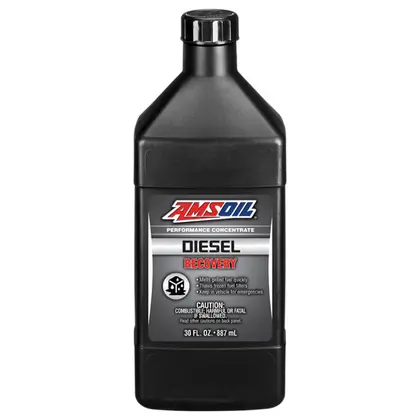
For normal operation ahead of cold, compare Diesel Cold Flow with Diesel 4-IN-1. Cold Flow focuses on winter flow protection; 4-IN-1 combines that role with other fuel-care functions. Apply either preventive option as directed before gelling. Keep Diesel Recovery identified separately for an existing gelling problem, with readable instructions. Carrying both categories only helps when the driver understands which condition each addresses.
Before shutting down for an outdoor stop, record the last fill and any treatment already applied. Verify gallons rather than estimating from a partly full gauge, and avoid stacking products without checking their combination guidance. If the truck has already developed restricted flow, confirm the fault and follow the recovery and vehicle procedures, including any required filter work. A block heater or starting aid should not be treated as evidence that an unfamiliar diesel blend is winter-ready.
WisDOT’s current winter resources belong beside the forecast when planning an I-94, I-43 or I-41 trip. Snow, ice and restrictions affect dispatch independently of a properly treated tank. Review the prevention and recovery comparison before stocking supplies, then follow the product cards for current manufacturer packages and ordering. Purchases are fulfilled by AMSOIL through this independent dealer relationship; availability at checkout does not imply Milwaukee shelf stock or an immediate roadside response.
Figures checked October 16, 2026. January lows are climate averages, not fuel performance limits. Routes listed are winter planning corridors, not claims of closures during the featured event.
Published and reviewed by this independent AMSOIL dealership.
All-season treatment combining injector cleaning, lubricity, cold-flow improvement and cetane enhancement.
Explore ADB →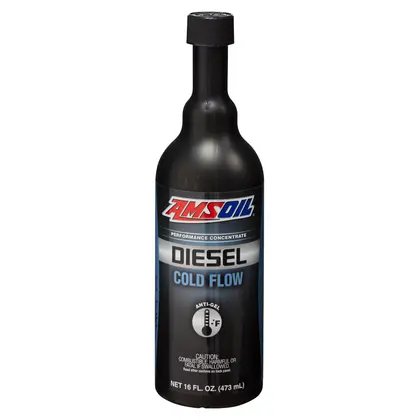
Snowfall totals do not determine treatment quantities. Match the product label to the fuel volume and prepare before the fuel reaches its cloud point.
4-IN-1 includes anti-gel prevention; Injector Clean + Cetane Boost does not. That distinction matters when selecting a combined treatment for Milwaukee winter use.