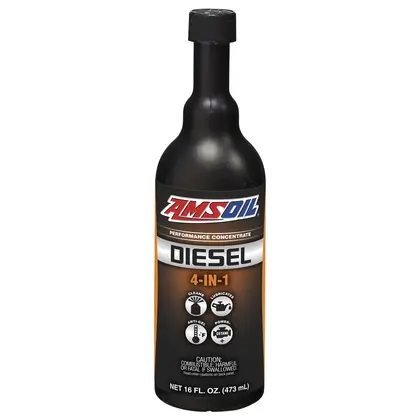
Diesel 4-IN-1
All-season treatment combining injector cleaning, lubricity, cold-flow improvement and cetane enhancement.
Explore ADB →Minneapolis-St. Paul’s normal January low is 8.8°F, making overnight fuel exposure a routine winter planning issue. Delivery trucks and plow-equipped diesels parked before an I-94 or I-35 shift can spend their longest stationary hours in the coldest part of the night.
Imagine a Minneapolis contractor ending an evening route and returning before dawn for another assignment. This is a practical scenario, not a customer testimonial. The truck’s next startup follows hours of outdoor parking, so the prevention decision belongs before the break begins. Confirm winter fuel supply and document any treatment already added, especially when crews hand the same vehicle to another operator.
The January normal below is an average of daily lows, not the floor for an individual morning. The recent climate example provides a separate view of what occurred during one cold month. Consult MnDOT conditions for the intended route, including the return leg. If a delay adds another night outside, revisit the fuel plan instead of relying on the temperature when the tank was filled.
Cold Flow serves dedicated cold-flow preparation, while 4-IN-1 bundles that function with other fuel-care benefits. Their rates differ, so use the specific bulletin for the tank or delivery being treated. Add before fuel cools to its cloud point and mix during refueling. For seasonal purchasing, calculate total winter fuel use but retain a per-fill dose record; a season’s supply should not become a single application.
A truck already affected by gelled fuel needs the Diesel Recovery procedure, including filter work, instead of another ordinary preventive dose. Review that work before the emergency and identify a suitable service location. The cause of a no-start still needs checking, since cold batteries or other restrictions can produce similar symptoms. Recovery readiness supports the winter plan while the measured preventive routine addresses the next night’s fuel exposure.
Minneapolis-St. Paul experienced a three-day run of particularly severe cold in January 2025. The National Weather Service’s monthly climate report lists a January 19 high of −1°F and low of −13°F. January 20 stayed colder still, with a high of −6°F and a low of −18°F. The temperature then bottomed out at −19°F on January 21 before recovering to a high of 13°F. Only about one inch of snow covered the ground during this interval. The airport measurements demonstrate that dangerous, sustained subzero weather can arrive even during a month with relatively little snowfall.
NWS Twin Cities · January 2025 climate report, issued February 1, 2025 ↗
For Twin Cities diesel owners, preventive treatment should precede the first subzero night, since a vehicle exposed to below-zero afternoons may remain cold-soaked between successive starts.
Sources checked October 16, 2026. Climate normals describe averages, not a fuel-temperature rating. Road lists identify winter-sensitive routes, not closures attributed to the example above.
Product directions: AMSOIL Cold Flow G3526, April 2024; 4-IN-1 G3525, January 2026; Recovery G2598, April 2024. Checked October 16, 2026.
Measure the dose for your tank or delivery · Compare preventive and emergency treatments
Reviewed October 16, 2026. Orders, package availability and shipping are handled by AMSOIL.
All-season treatment combining injector cleaning, lubricity, cold-flow improvement and cetane enhancement.
Explore ADB →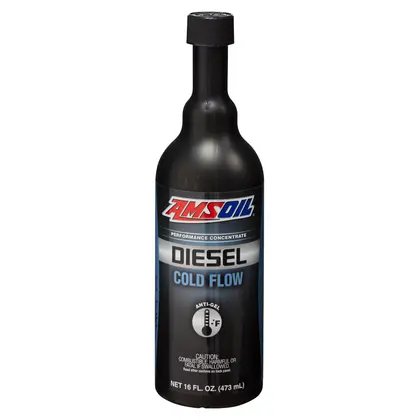
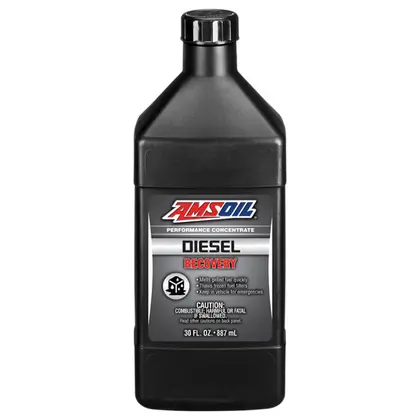
Ask the supplier about the fuel blend and its cold-weather properties. If using preventive treatment, follow the product label and add it before the fuel reaches its cloud point.
Diesel 4-IN-1 combines cold-flow prevention with cleaning, lubricity and cetane benefits. Its role is preparation, so an existing gelling problem needs the separate recovery procedure.