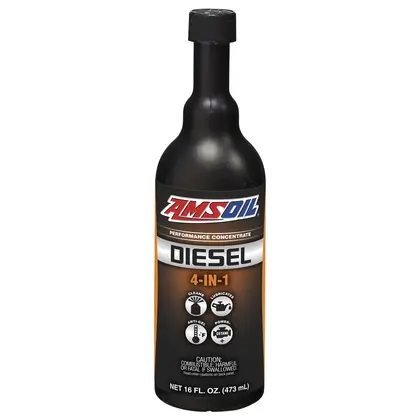
Diesel 4-IN-1
All-season treatment combining injector cleaning, lubricity, cold-flow improvement and cetane enhancement.
Explore ADB →Pueblo’s normal January low is 15.4°F, and outdoor tanks can cool substantially between a mild afternoon and the next work shift. Trucks taking I-25 south toward Raton Pass or US 50 west need a fuel plan for the overnight stop as well as the city fill.
Picture a Pueblo equipment hauler finishing a local shift before a predawn trip toward New Mexico. This realistic example is not a customer account. A running engine at the loading yard tells the driver little about fuel after a long stop farther along the route. Review the entire trip’s forecast, ask about the fuel blend and choose a treatment before the truck is committed to the colder parking period.
A yard tank and a truck tank are separate measuring jobs. For bulk fuel, use the incoming delivery volume and account separately for untreated fuel already stored. Add the preventive product before or during delivery so incoming fuel mixes it. Label the tank with the product and date, then make the truck’s fill record clear enough that a second operator does not unknowingly repeat the dose.
Cold Flow is the dedicated cold-flow choice, while 4-IN-1 adds cleaning, lubricity and cetane functions. Their maintenance ratios differ: a 100-gallon delivery uses 20 fl oz of Cold Flow or 40 fl oz of 4-IN-1. Both require fuel above its cloud point. Keep the relevant bulletin available at the dispensing point; container size alone does not establish the amount to pour.
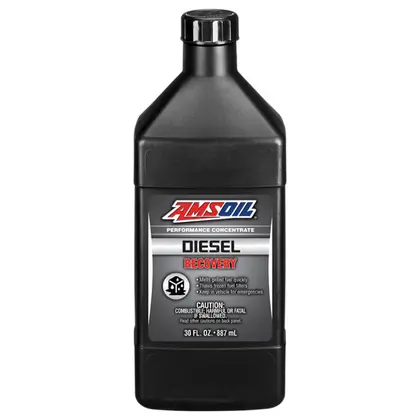
The November example below concerns travel disruption and near-freezing weather, not a claim that Pueblo fuel gelled in that storm. A delayed departure can still change the next overnight exposure. If a vehicle develops an existing gelling restriction, review Diesel Recovery’s filter-and-tank procedure and the equipment manual. Maintain a safe stopping plan before committing to the pass, since chemical treatment does not change highway restrictions.
A November 2024 storm disrupted travel well before midwinter in Pueblo. KOAA documented a days-long I-25 closure south of the city, followed by reopening on November 9, and wet snow that damaged utility lines. The National Weather Service daily climate report for November 7 measured a high of 35°F, a low of 28°F and 5.3 inches of snow at Pueblo. These were near-freezing conditions, not the deep subzero readings of January 2025. The combination still interrupted the southern freight corridor and illustrates why operators need both a fuel plan and a realistic alternative when the highway closes.
KOAA News5 · November 7-10, 2024 storm coverage ↗
Diesel operators should prepare the fuel before the coldest overnight period, because a mild Pueblo afternoon does not protect an untreated tank during the next temperature plunge.
The November temperatures describe the event, not proof that local diesel gelled. The archived NWS text was retrieved from Iowa State University IEM.
Sources checked October 16, 2026. Climate normals describe averages, not a fuel-temperature rating. Road lists identify winter-sensitive routes, not closures attributed to the example above.
Product directions: AMSOIL Cold Flow G3526, April 2024; 4-IN-1 G3525, January 2026; Recovery G2598, April 2024. Checked October 16, 2026.
Measure the dose for your tank or delivery · Compare preventive and emergency treatments
Reviewed October 16, 2026. Orders, package availability and shipping are handled by AMSOIL.
All-season treatment combining injector cleaning, lubricity, cold-flow improvement and cetane enhancement.
Explore ADB →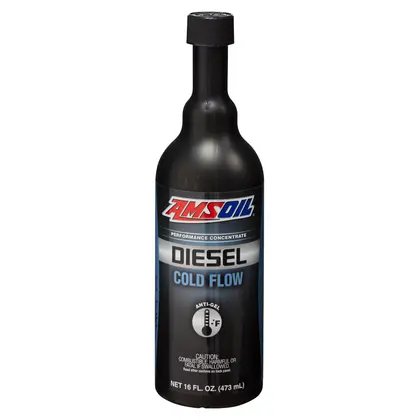
Check the route forecast and treat fuel before departure while it remains above its cloud point. A warm afternoon at the starting point does not describe the entire trip.
The dose follows fuel volume and the selected product chart, not the type of vehicle. Measure the gallons being treated and use the calculator to select the applicable package formulation.