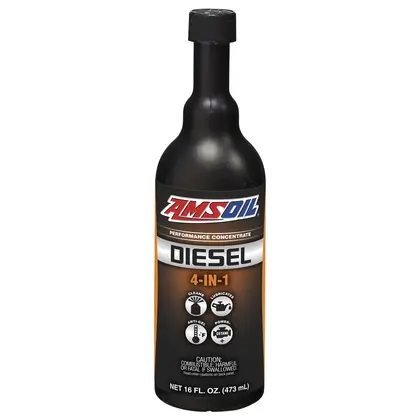
Diesel 4-IN-1
All-season treatment combining injector cleaning, lubricity, cold-flow improvement and cetane enhancement.
Explore ADB →Salt Lake City’s typical January low is 24.2°F, and colder outbreaks can raise diesel gelling risk when fuel is unsuitable for outdoor overnight parking. Freight and service trips from I-15 or I-215 onto I-80 through Parleys Canyon also require checking the mountain destination, where the valley forecast may not describe the longest stop.
For a valley-based contractor heading toward Park City or another mountain job, the parked period at the destination deserves its own forecast. Record where the truck will sit, how long equipment will remain outside and whether the return can slip into the following morning. An afternoon in Salt Lake City does not establish conditions higher along the route. Ask the supplier about seasonal fuel suitability and follow each vehicle or equipment manufacturer’s additive guidance.
While suitable fuel still flows normally, choose between Diesel Cold Flow for dedicated winter protection and Diesel 4-IN-1 for a combined fuel-care routine. Measure the tank volume and apply the correct label rate before gelling. A product’s cold-flow improvement is not a guaranteed operating temperature for every blend. The relevant question is whether the fuel and treatment plan fit the coldest expected exposure, not whether the valley feels mild at departure.
In January 2025, an Arctic front prompted preparations along the Wasatch Front after a mild start to winter. KSL’s January 17 report forecast daytime temperatures falling from the upper 30s and lower 40s into the upper 20s and lower 30s, with overnight lows in the teens. Light valley snow was also expected. Emergency shelter measures were already active, and Rocky Mountain Power warned customers about increased energy use during the colder weather. These were forecast temperatures reported as the front approached, rather than later measured lows; the local response showed that limited snowfall did not remove the cold-weather concern.
Salt Lake City diesel owners should treat approved, still-liquid fuel before the cold arrives or the truck climbs toward a colder overnight destination.
UDOT’s current Wasatch Back guidance identifies I-80 in Parleys Canyon as a route where winter traction restrictions can apply. Review current travel information and the equipment rules for your vehicle before departure; an additive does not satisfy tire or traction requirements. Plan supplies before leaving the valley so an unplanned stop does not depend on an online shipment. Keep recovery directions accessible to whoever may be responsible for the truck away from its usual yard.
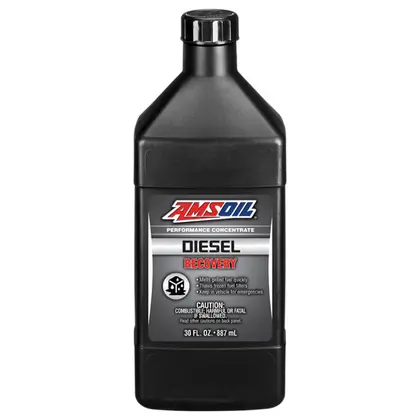
For an existing, verified gelling problem, read Diesel Recovery and follow its tank-and-filter instructions rather than repeating the preventive routine. A no-start alone does not establish the diagnosis. Use the product comparison to separate these jobs and plan any needed service. The familiar product cards below lead to direct AMSOIL ordering through our dealership, with current packages and shipping at checkout. They do not represent a Salt Lake City shop or immediate mountain roadside assistance.
Figures checked October 16, 2026. January lows are climate averages, not fuel performance limits. Routes listed are winter planning corridors, not claims of closures during the featured event.
Published and reviewed by this independent AMSOIL dealership.
All-season treatment combining injector cleaning, lubricity, cold-flow improvement and cetane enhancement.
Explore ADB →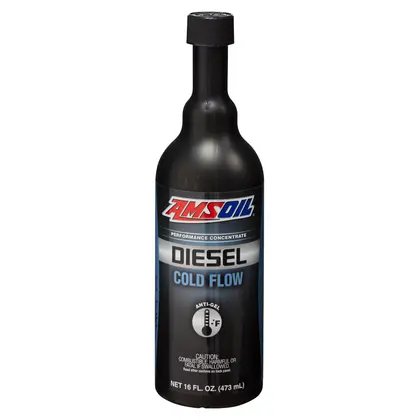
Consider the colder parts of the route and parking stops, then add preventive treatment while the fuel is above its cloud point. Review current pass conditions as part of the trip plan.
Recovery is intended for already-gelled diesel. Choose the published Cold Flow or 4-IN-1 preventive directions when preparing for cold conditions ahead.